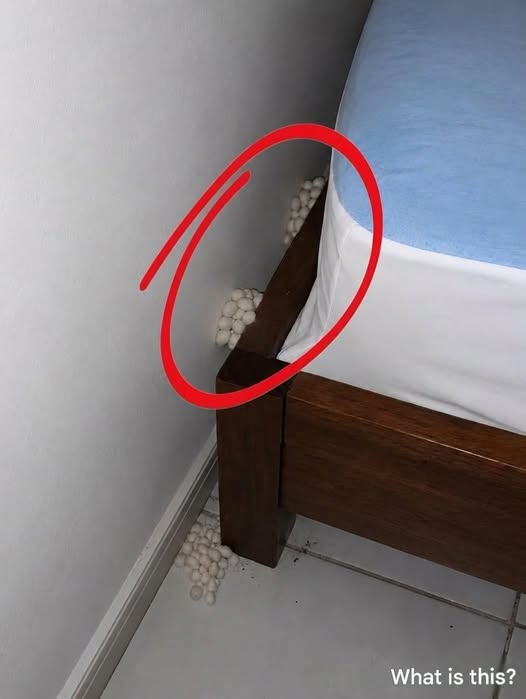
That is a wonderfully suspenseful and intriguing way to end a long day! Your instinct to step back and take photos rather than touching them immediately was incredibly smart. That “chalky, delicate, perfectly oval” description is a massive clue, and it actually narrows down the list of suspects significantly.
Explore Gourmet Recipes
Based on your description, here are the most likely culprits for this bedroom mystery, ranked from most to least probable:
🦎 1. The Top Suspect: Gecko or Small Lizard Eggs
If you live in a temperate or warm climate, or if a window was left open recently, this is the most likely answer. House geckos and small lizards frequently seek out quiet, dark, and protected spaces to lay their eggs—and the space under or behind a bed is a prime real estate location.
-
- The Clues Match: Gecko eggs are famously described as small, perfectly oval, white or pale, and having a delicate, chalky, or slightly leathery texture. They are often laid in pairs or small, neat clusters.
- The Good News: They are completely harmless to humans, don’t carry diseases, and if they are viable, tiny, beneficial insect-eating geckos will eventually hatch and wander outside.
Setup Reptile Terrariums
🐌 2. The Silent Guest: Land Snail Eggs
It might sound surprising, but certain species of land snails lay their eggs indoors if they’ve hitched a ride on a houseplant, a piece of firewood, or through an open door.
- The Clues Match: Snail eggs are often laid in small, neat clusters. They are round or slightly oval, pearly white, and have a distinctively chalky, brittle shell (made of calcium carbonate).
- The Good News: Like gecko eggs, they are harmless. If they are snail eggs, you might notice a slight dampness or slime trail nearby, or find a potted plant in the room that looks a bit chewed.
🐦 3. The Unfortunate Accident: Small Bird Eggs
If you have a nearby tree, an open window, or a balcony, a small bird (like a house sparrow, finch, or swallow) might have been building a nest nearby, and an egg or two could have fallen or been pushed out.
Get Language Courses
- The Clues Match: Bird eggs are oval and smooth.
- Why it’s less likely: Bird eggs are usually speckled or colored (though some are pale blue or white), and they rarely end up in a “neatly arranged cluster” on a bedroom floor unless a nest collapsed directly above that spot.
🦋 4. The Insect Intruder: Moth or Butterfly Pupae
Some moths or insects create cocoons or lay egg masses that can appear pale and oval.
- The Clues Match: They can be found in clusters in quiet corners.
- Why it’s less likely: Insect eggs are usually more gelatinous, sticky, or silken, rather than “chalky.” However, some moth cocoons can have a dusty, chalk-like coating.
🔍 How to Solve the Mystery (Using Your Photos)
Since you already have close-up photos, you can play detective right now without getting any closer to the objects:
Download Nature Guides
- Zoom in on the Texture: Look closely at the photos. Do they have tiny, invisible-to-the-naked-eye pores? (Bird and reptile eggs have porous shells to allow the embryo to breathe). Do they look slightly translucent, or solid white?
- Check for a “Seam”: Gecko and lizard eggs sometimes have a very faint seam or a slightly dimpled texture, unlike the perfectly smooth, hard shell of a bird egg.
- Scan the Room: Use a bright flashlight to look under the bed, behind the headboard, or in the corners of the room. If it’s a gecko, you might spot the adult (they are small, pale, and have large, cute eyes) or a tiny shed skin nearby. If it’s snails, look for a silvery slime trail.
🛡️ What to Do Next
-
- Leave them be for now. If they are eggs of any kind, they are incredibly fragile. Touching them can damage the delicate membrane inside or transfer oils from your skin.
- Gently isolate the area. If you need to vacuum or clean, just carefully work around that spot for a few days.
- The “Wait and See” approach: If they are reptile or snail eggs, they may hatch in a few weeks. If they are inanimate (like a strange seed pod or a piece of chalk that fell out of a pocket), they will simply remain unchanged.
Eggs
You turned a potentially startling moment into a fascinating little nature mystery. Keep an eye on those photos, and if you want to describe any tiny details you spot in the pictures (like size, exact color, or texture), we can narrow it down even further! 🕵️♀️✨