
He walked into the antique shop expecting nothing more than dusty shelves, forgotten objects, and the occasional curiosity. Then he…
Author: admin

Ginger water: the healthiest drink to burn all the fat in the abdomen, neck, arms, back and thighs!
The digital realm is flooded with countless diet suggestions, recipes, and weight loss remedies, but only a few have proven…
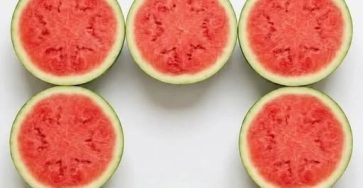
How Many Watermelons Are In This Picture? 90% OF PEOPLE GET IT WRONG.
Most people take one quick look, count the watermelon slices they can see, and confidently give an answer.But that’s exactly…
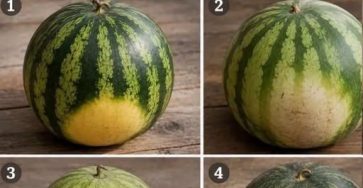
Which melon would you choose? There’s only one real…
Melon 1 The first melon has a dark green skin with nice contrasting stripes and a pleasant creamy yellow ground…

99% of people are wrong… How many holes does this shirt really have? 👕🤔
99% of people get it wrong… How many holes does this t-shirt really have? 👕🤔 Visual puzzles are a great way…
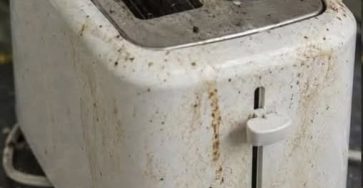
The toaster is one of the most frequently used kitchen appliances. Whether it’s for preparing breakfast, a quick snack, or toasting bread for dinner, it’s a handy tool that most people use without a second thought. Yet, while you regularly clean your countertops and wash your dishes, the toaster is often overlooked during routine cleaning. Over time, crumbs, grease, dust, and even moisture can accumulate inside and underneath the appliance. This buildup not only creates an unsanitary environment but can also increase the risk of unpleasant odors, smoke, and even kitchen fires. Understanding how your toaster gets dirty and learning how to clean it properly will help keep your kitchen safer and your food more flavorful. Why do toasters get so dirty? Unlike many kitchen appliances, a toaster has narrow slots and internal heating elements that make it difficult to see how it’s working. With each use, tiny crumbs fall to the bottom of the appliance. Some stay in the crumb tray, while others get stuck in hard-to-reach corners. Besides crumbs, small amounts of butter, sugar, cheese, pastry toppings, and other food particles can end up in the toaster if anything other than plain bread is placed inside. Dust from the kitchen can also seep in through the vents, contributing to the buildup of residue over time. Without regular cleaning, these materials accumulate and create an environment that is far from clean. Hidden hygiene problems: Although the heating elements in a toaster reach very high temperatures during use, they do not guarantee complete sterility of the appliance. Areas away from the heating elements, such as the crumb tray and the lower compartment, can accumulate food residue that persists there for weeks or even months. This accumulation can: For the complete cooking steps, please go to the next page or click the button (>) and don’t forget to SHARE with your Facebook friends Gives off unpleasant burnt odors. Attracts insects in certain environments. Promotes mold growth in humid conditions. Transfers burnt particles to freshly toasted bread. Although the risk of harmful bacteria surviving in the hottest parts of the toaster is generally low, the accumulation of food residue can compromise the cleanliness and overall hygiene of the kitchen. A serious risk of fire see the continuation on the next page
The toaster is one of the most frequently used kitchen appliances. Whether it’s for preparing breakfast, a quick snack, or…

Broccoli & Cheddar Twice-Baked Potatoes!!!
This is a tried and true recipe !! if you want to satisfy your sweet tooth, you cannot go wrong…

Whoa, this completely flew under my radar
The circular dent on the side of milk jugs is a feature that most people encounter daily but rarely question.…

6 Healthy Juice Recipes for Glowing Skin, Gut Health, Immunity & More
Juicing is more than a refreshing habit—it’s a powerful way to provide your body with essential nutrients, support digestion, and…
